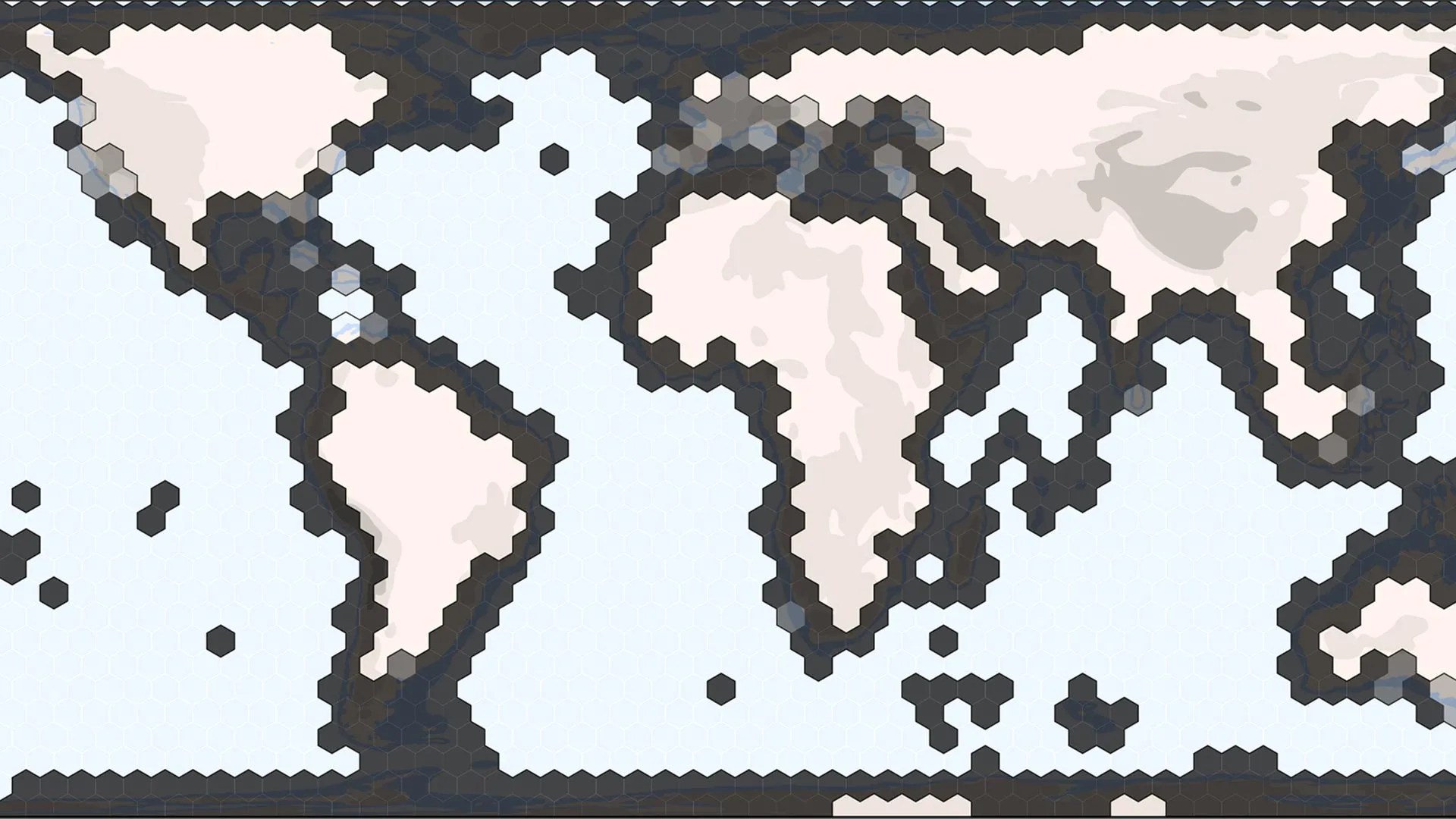
Two paleontologists mapped 540 million years of shallow marine fossil records to identify geographic gaps in the database. They cross-referenced existing discovery data with geological formations to locate specific regions where suitable rock layers are exposed but underexplored. The analysis suggests the Cenozoic Era holds the most potential for finding new species compared to older periods.
This helps prioritize expensive fieldwork by steering researchers away from saturated sites toward areas with actual untapped potential. It also applies to sorting through unanalyzed museum collections, offering a strategic way to fill historical blanks. However, the map assumes current geological accessibility remains constant and does not account for political or logistical barriers to excavation.
more: https://www.sciencedaily.com/releases/2026/11/261112025529.htm
my other side: ivo.blogspot.com


Leave a Reply